PyTorch PointCloud

Deep learning on point clouds, with PyTorch. Models, pretrained weights, datasets, transforms and inferers, in the style of timm and PyG.
Get started Browse the models pip install torch-pointcloud
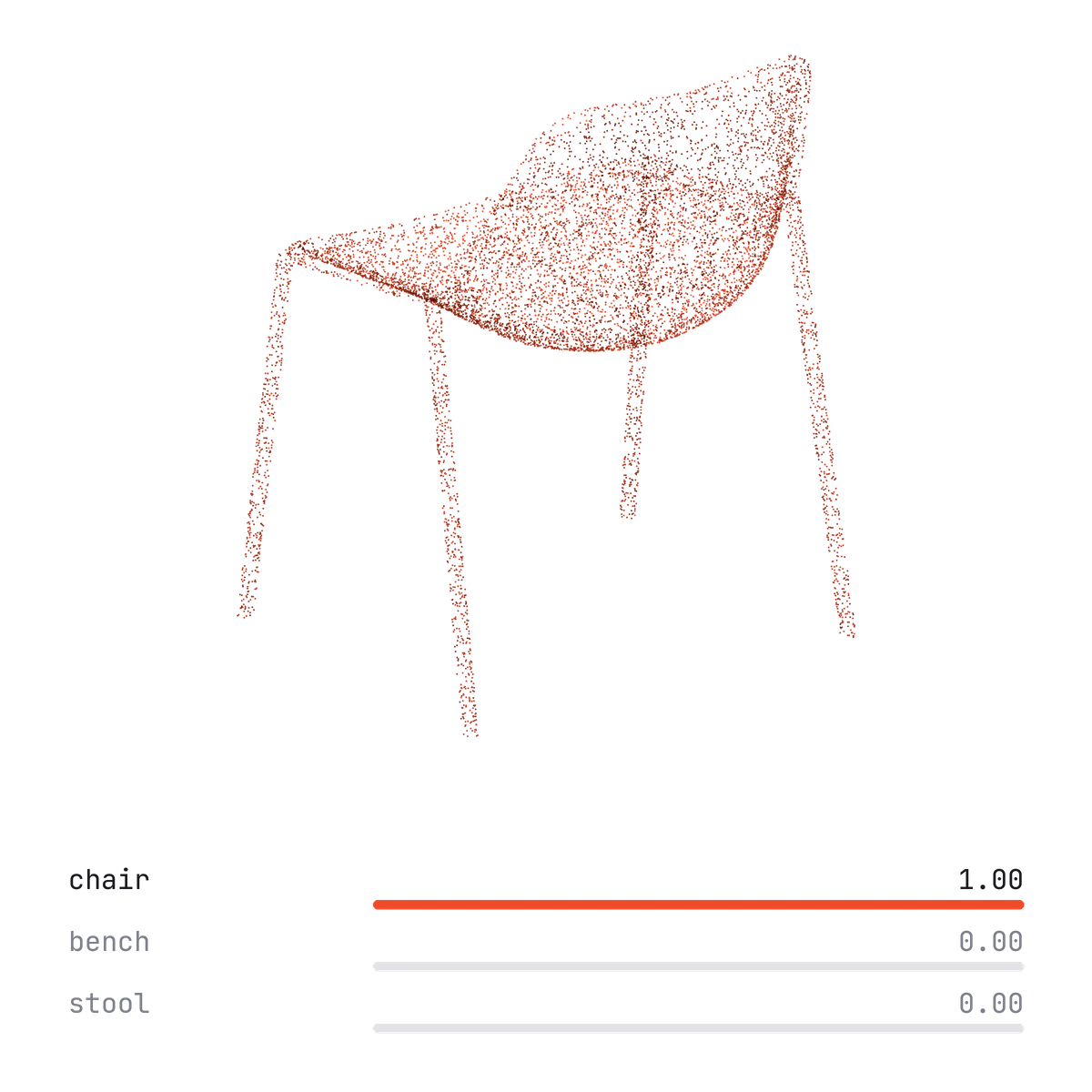
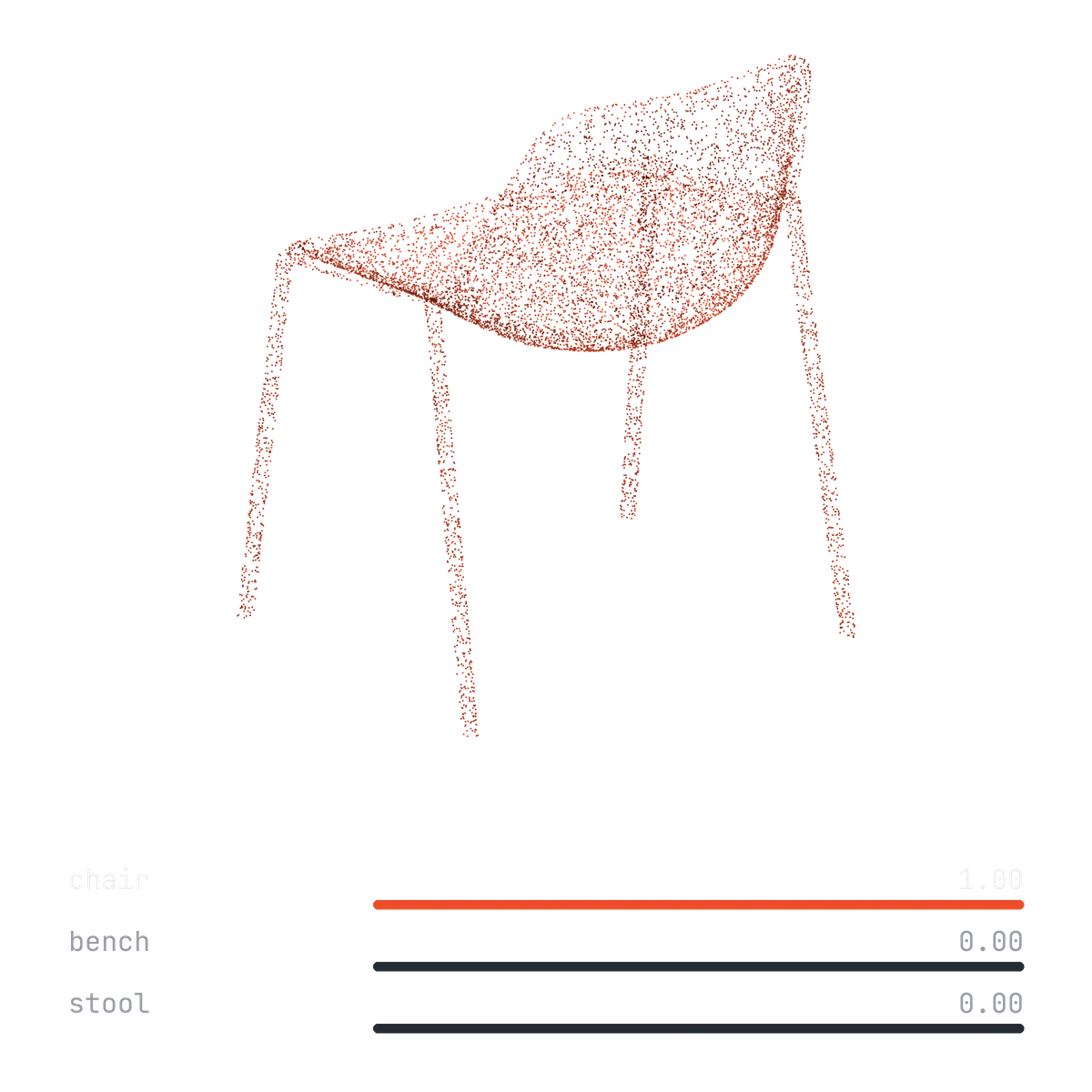
pointnet2-ssg.modelnet40.xu-yan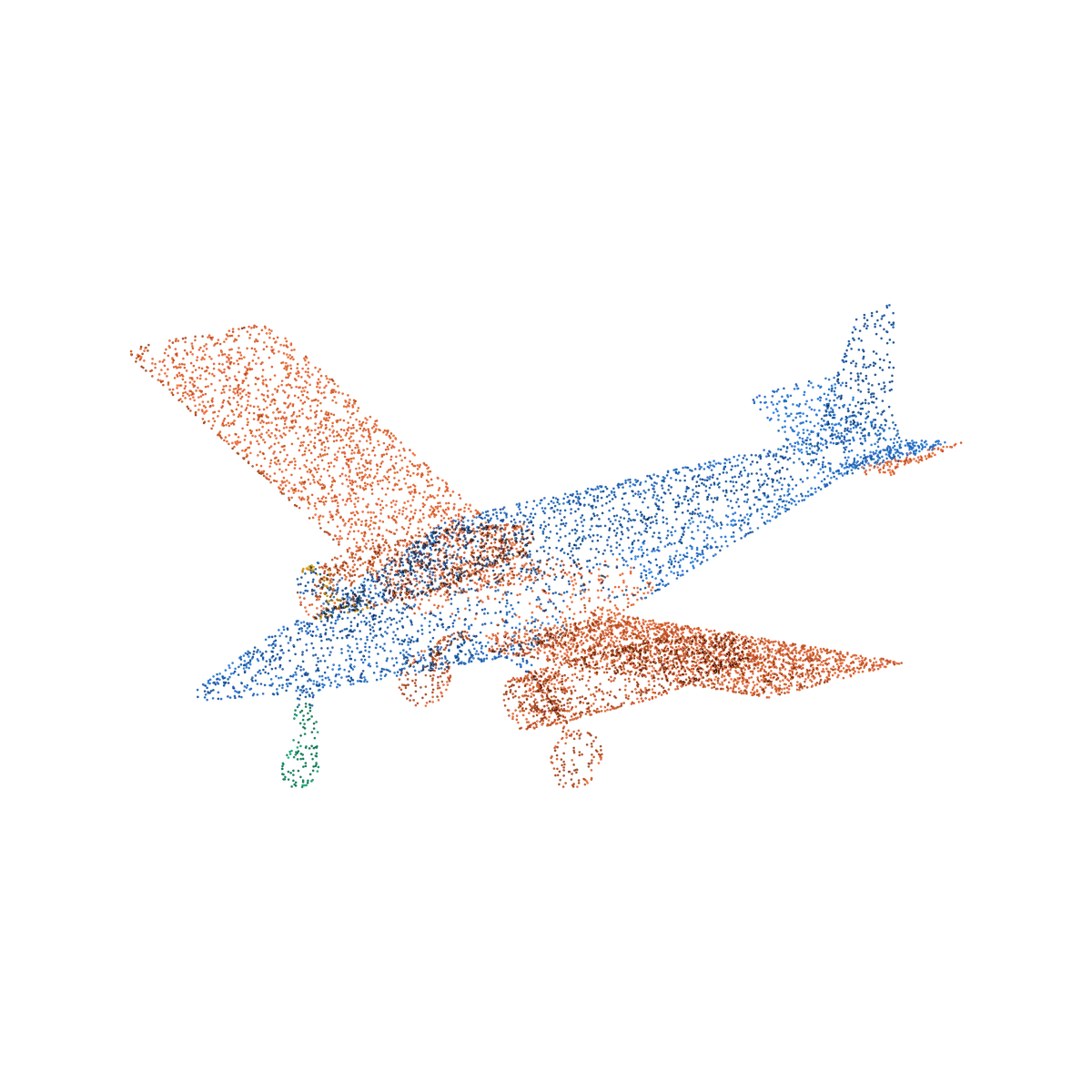

pointnext-sm.shapenetpart.openpoints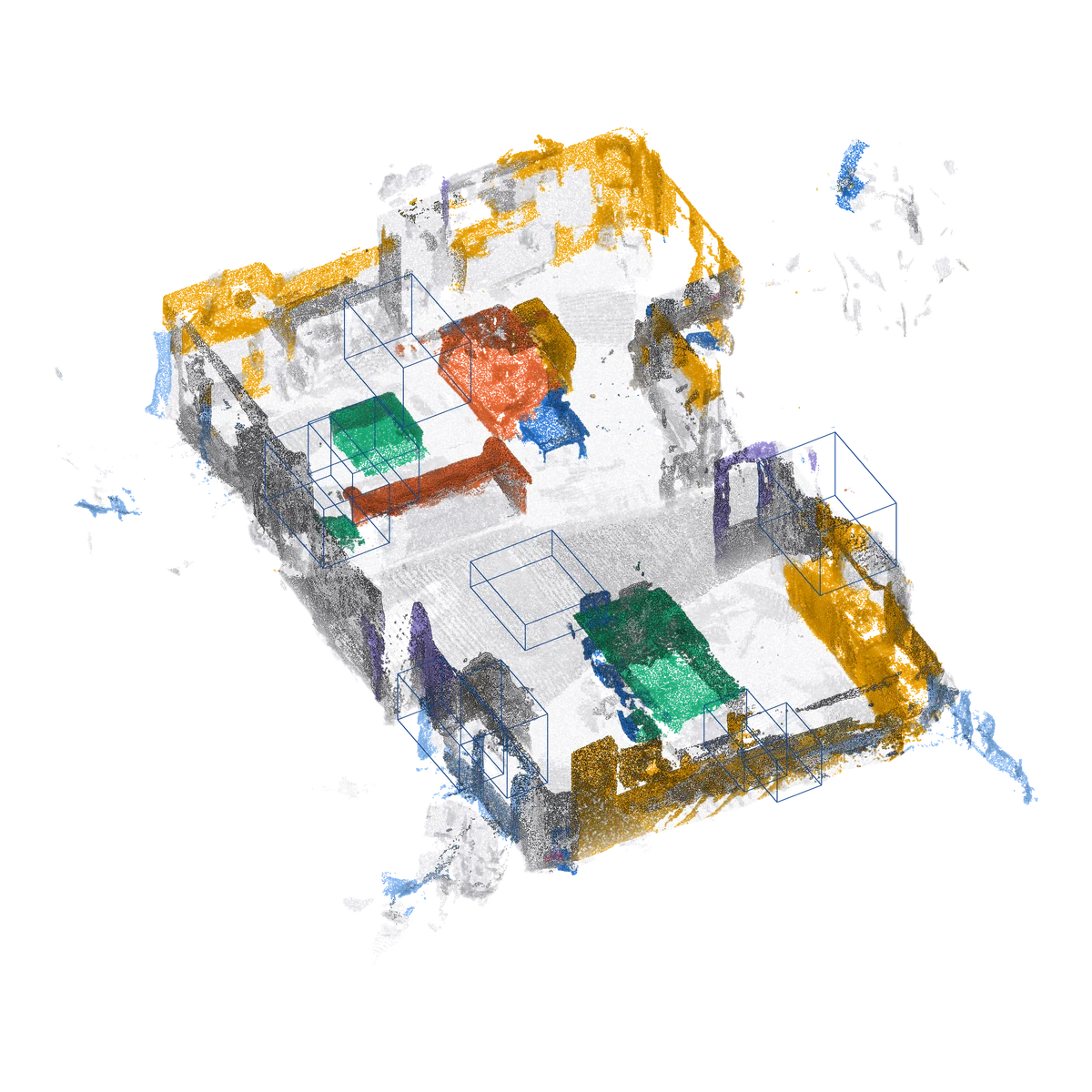
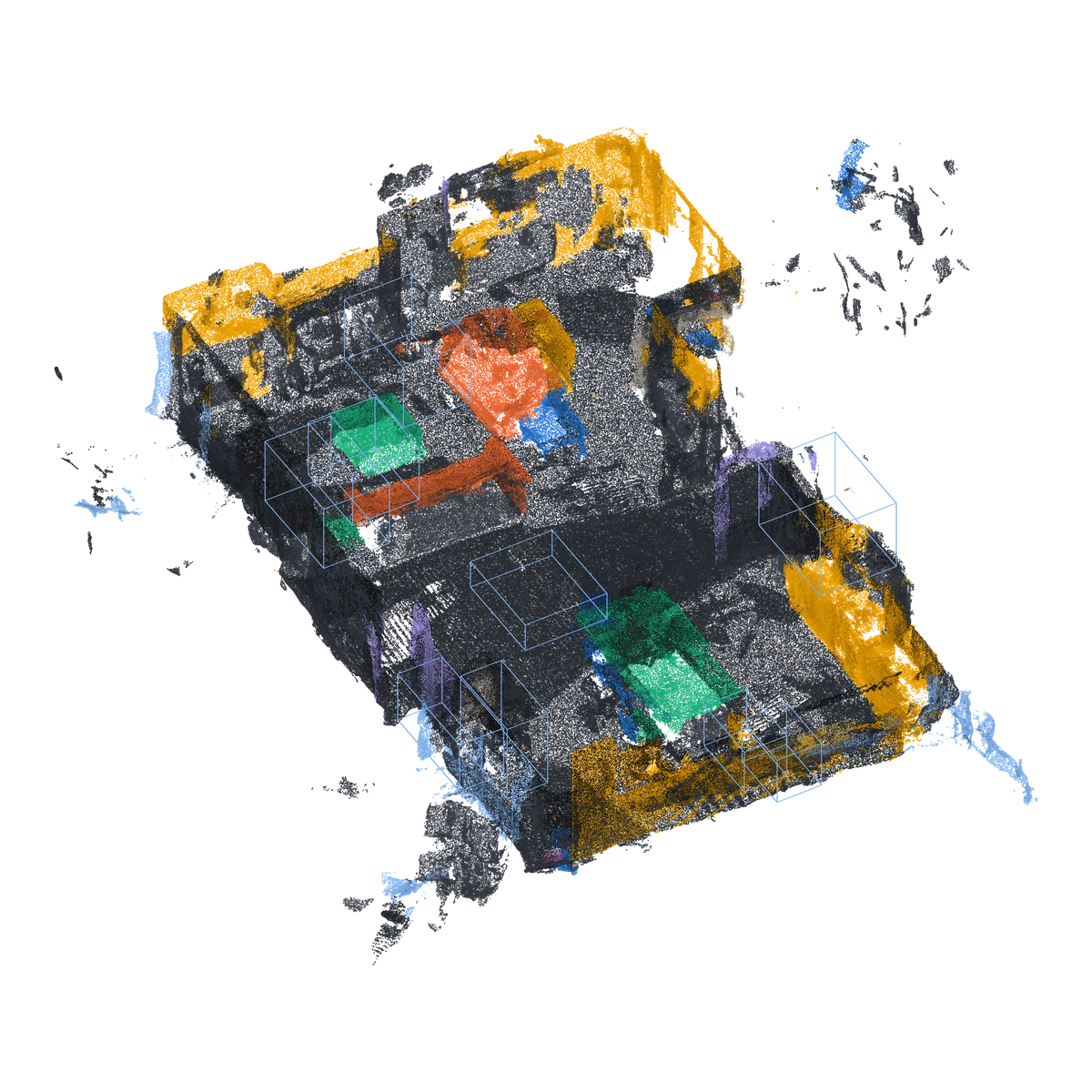
ptv3-base.scannet20.pointcept3detr-m.scannet.fair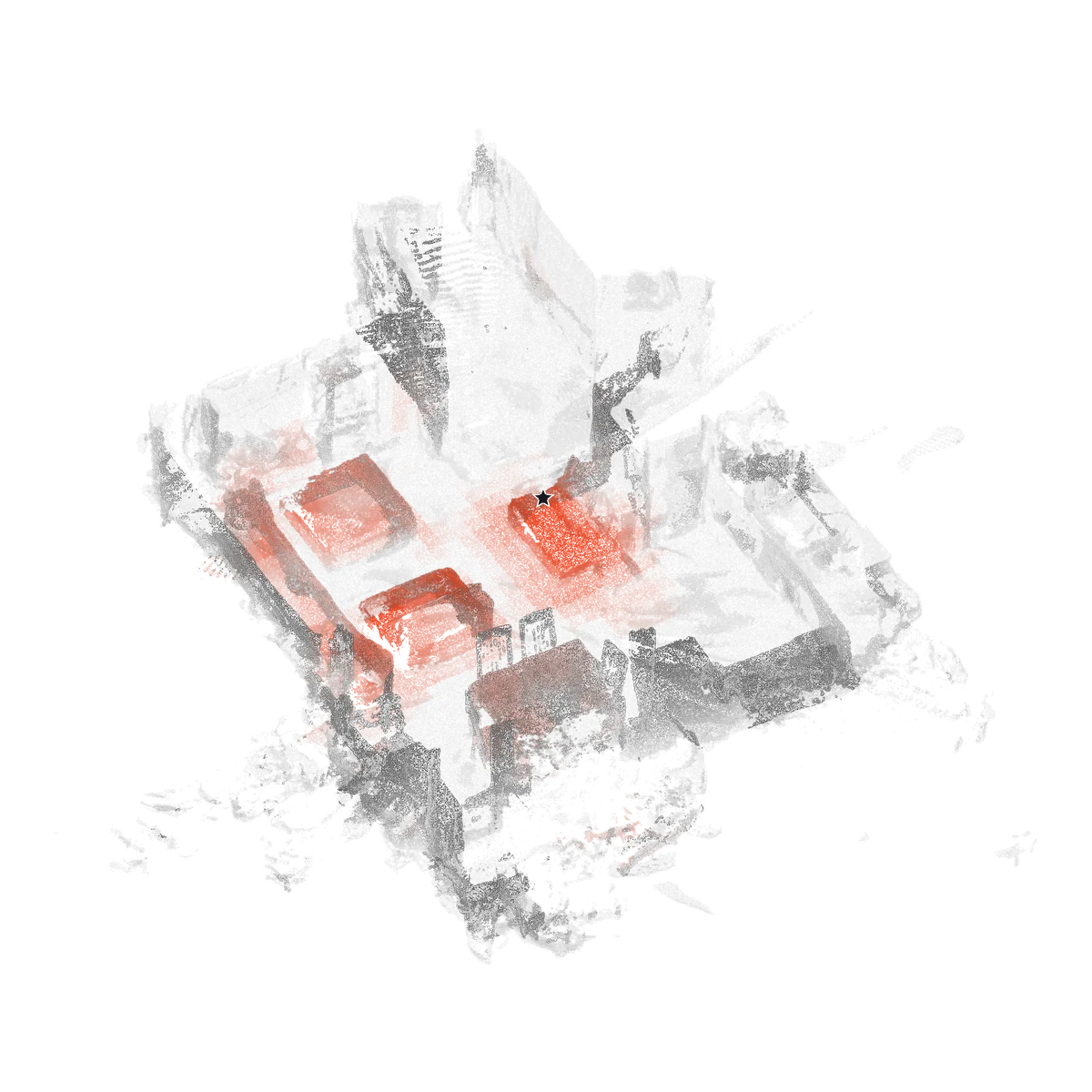
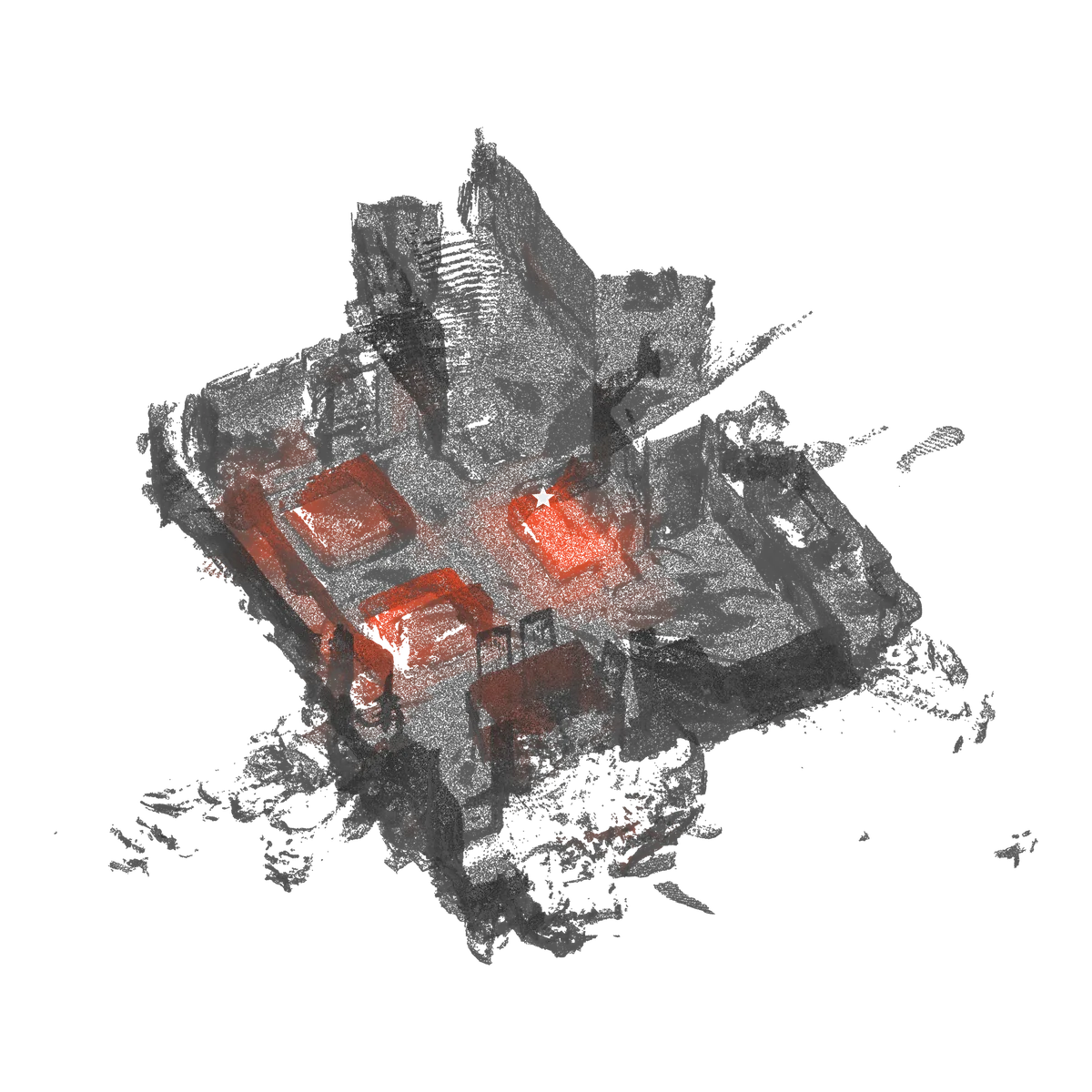
sonata-base.pretrain.fair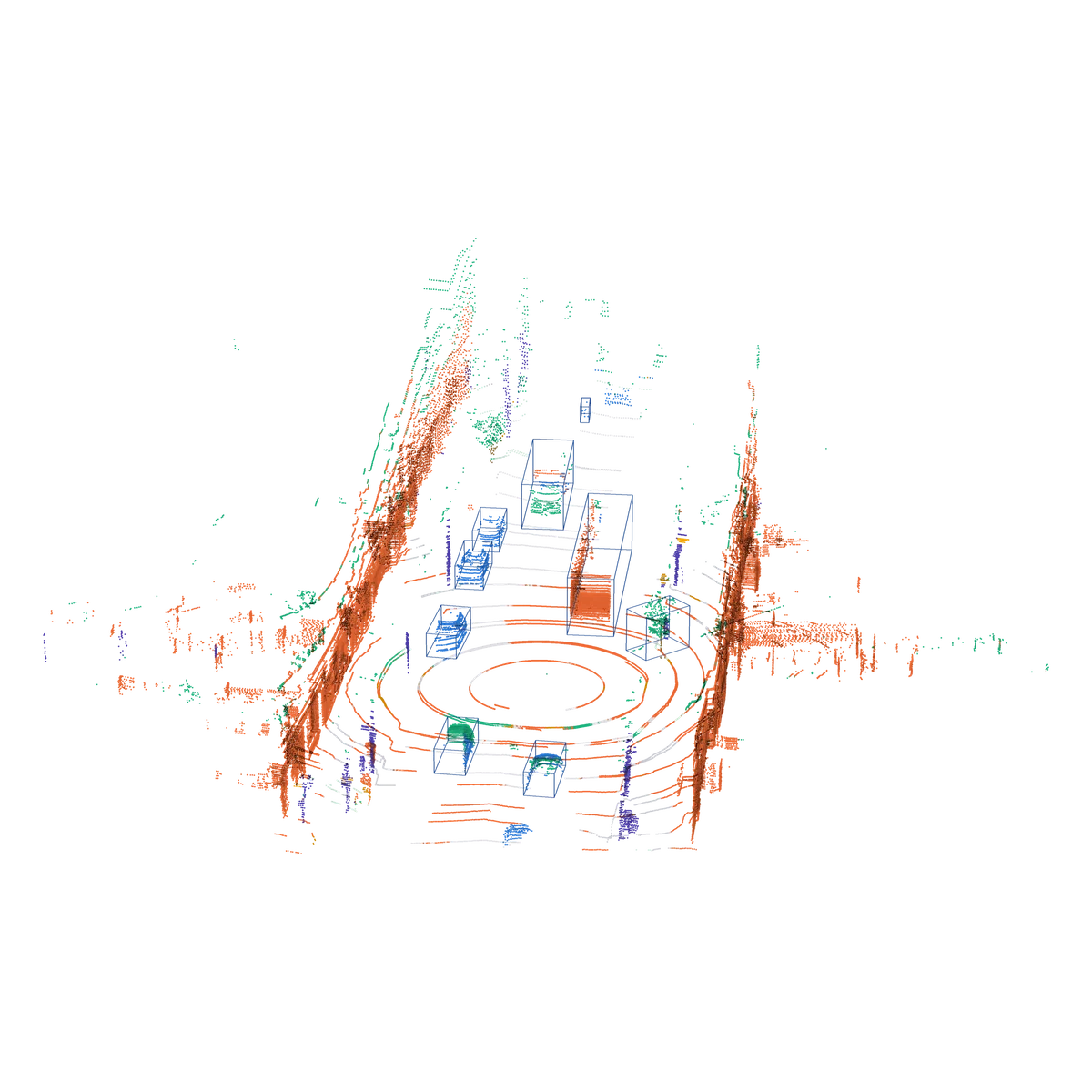
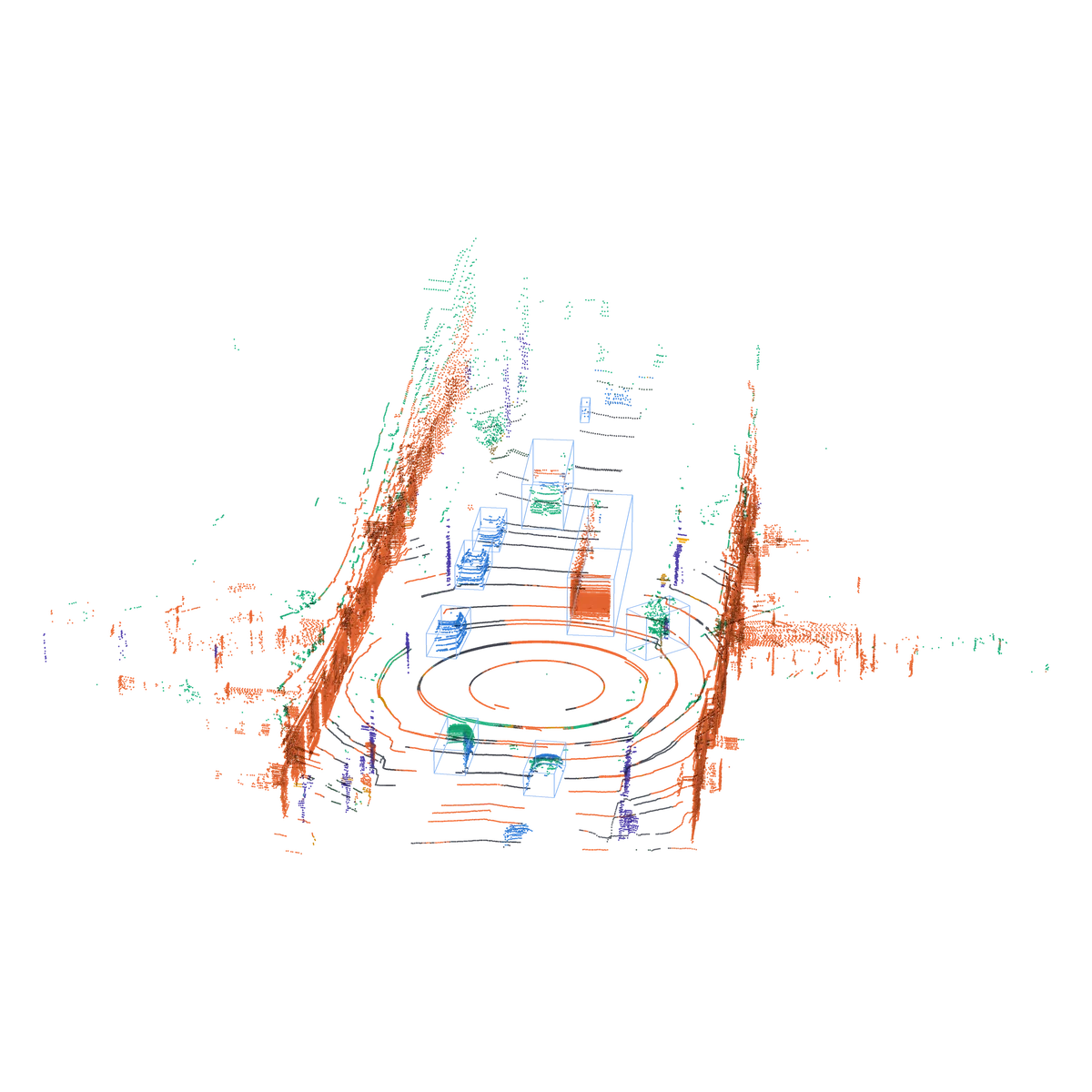
spvcnn-119gmacs.semantickitti.mit-han-labvoxelnext.nuscenes.openpcdet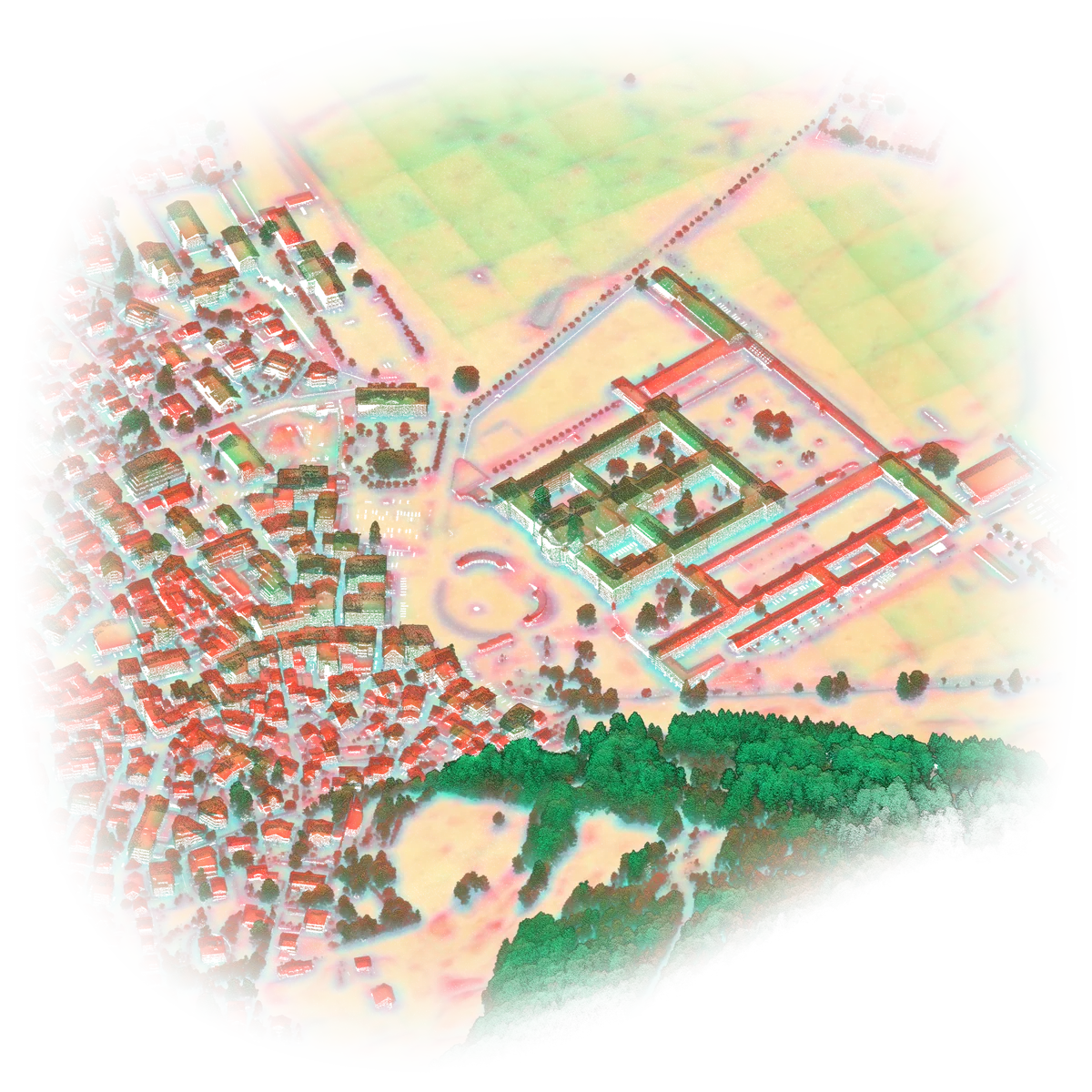
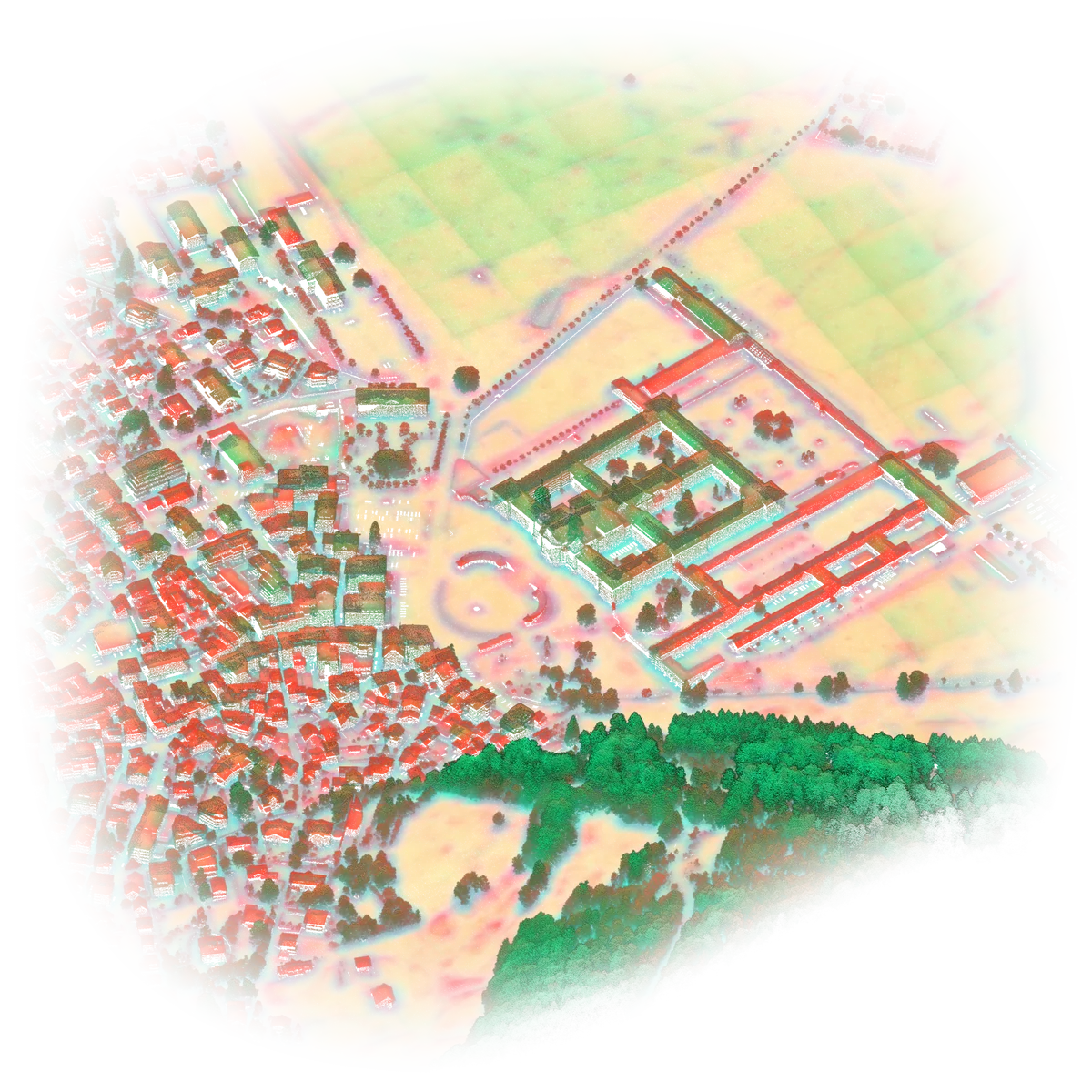
sonata-base.pretrain.fairIn a few lines
Every checkpoint is one create_model call away, and ships the transform that turns a raw point cloud into what the network expects:
import torch_pointcloud as tp

model, info = tp.create_model(
    "ptv3-base.scannet20.pointcept",
    task="semantic-segmentation",
    pretrained=True,
    return_info=True,
)
info["transform"]  # the preprocessing pipeline of that checkpoint
info["weights"]["metrics"]  # {"mIoU": 77.42, "OA": 92.00}

tp.list_models(task="detection", pretrained=True)  # all detection checkpoints
Why torch-pointcloud?
torch-pointcloud is a library of pretrained models that makes common layers and backbones easy to reuse. It does not replace research-first codebases such as Pointcept, OpenPCDet and MMDetection3D; it complements them with a common interface that makes benchmarking and interoperability across architectures easier.
What's inside
-
Install, run a first model, and learn the data format.
-
PointNet, PointNet++, RandLA-Net, KPConv, PointNeXt, OctFormer, Point Transformer, SPVCNN, and more.
-
ModelNet, ScanNet, S3DIS, ShapeNetPart, ScanObjectNN, SemanticKITTI, Semantic3D, and more.
-
Composable, non-mutating dict transforms inspired by MONAI.
-
Sliding windows, voxel partitions, potential spheres and test-time augmentation for scenes of any size.
-
Ready-to-use notebooks, from a first classification to survey-scale inference.
-
Auto-generated reference for every public class and function.
-
Why the library exists, how to cite it, and the changelog.
License
Apache 2.0, see LICENSE. Pretrained weights keep the license of their source, see THIRD_PARTY_NOTICES.md.